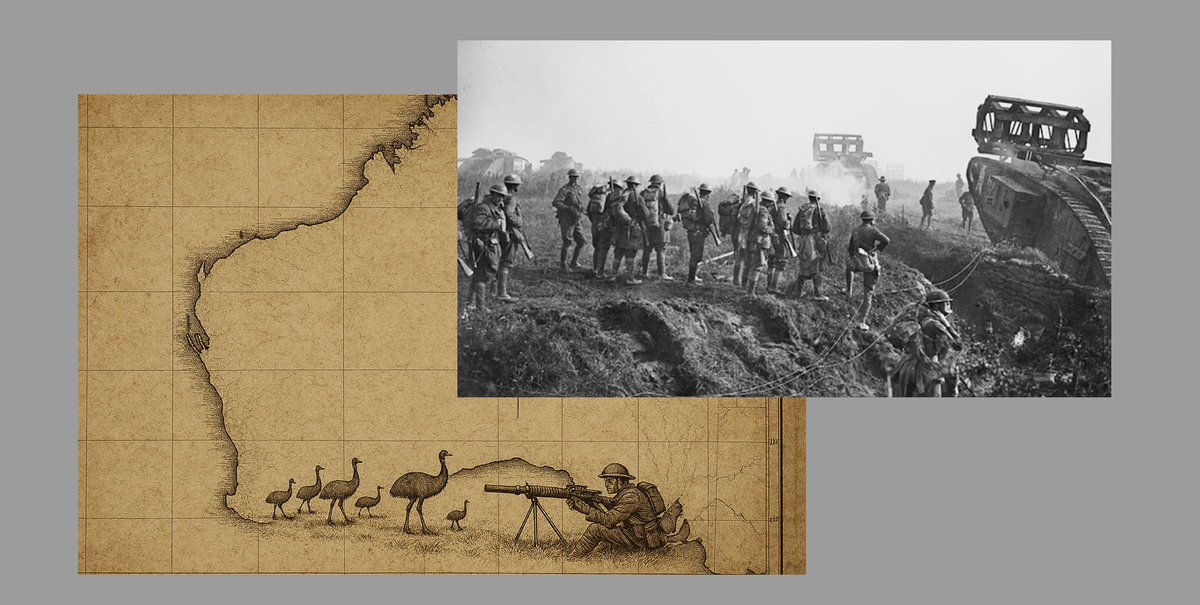
War is a very destructive human endeavour. But war is also a learning opportunity for military institutions. Many governments and institutions are watching the war in #Ukraine for insights into future competition and conflict. A thread on lessons and the war. 1/25 🧵 
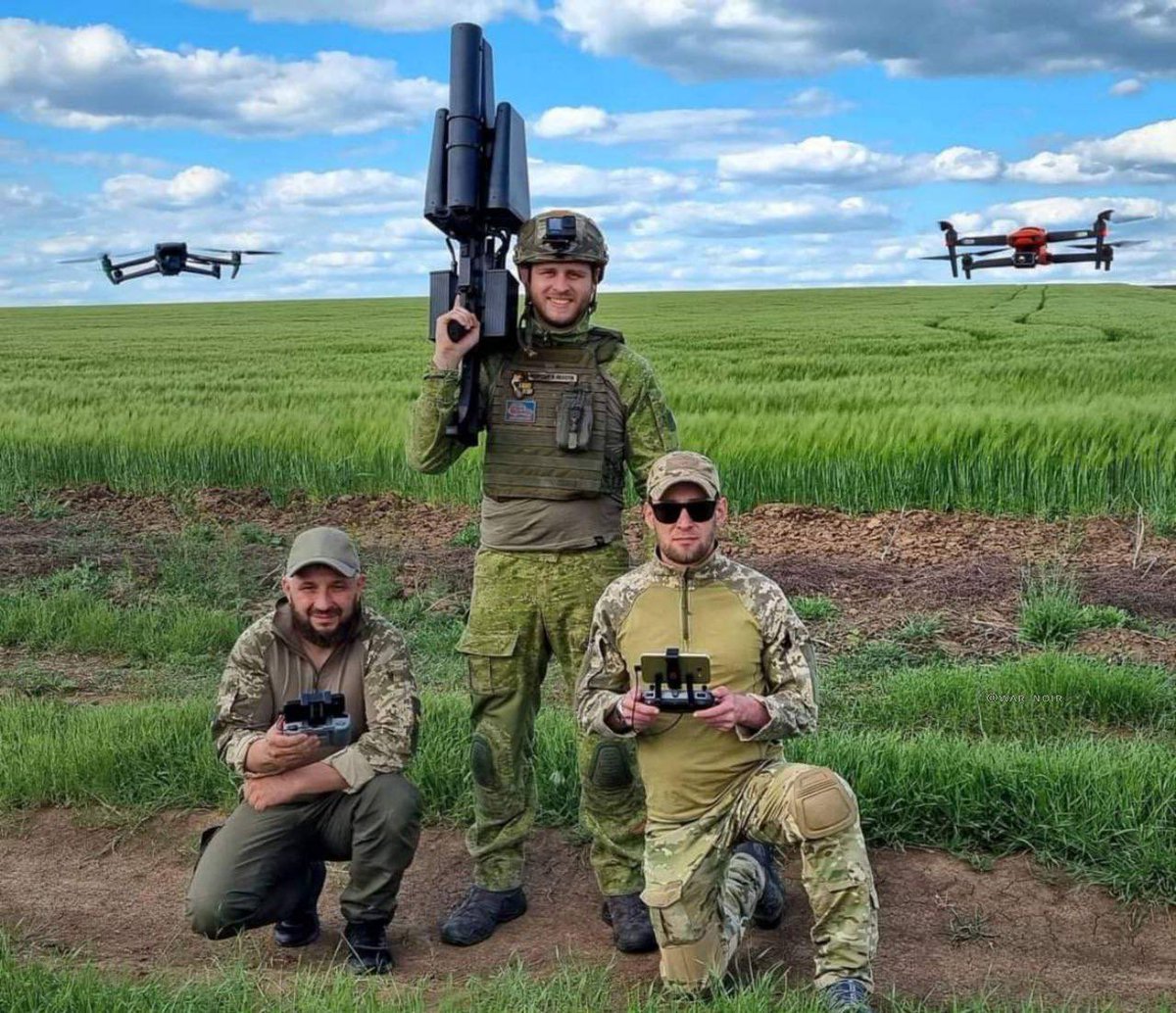


2/ Back in May, I explored why learning in war is so important, and explained some of the principles related to lessons and lessons learned for military organisations. You can read that post here:
https://twitter.com/WarintheFuture/status/1527847017635991552?s=20&t=ZRrTtinrpXgo_37OwwCcWQ

3/ In the past ten months there has been a profusion of articles that propose lists of lessons from the Russo-Ukraine War. Some – from experts on war, the military, strategy and national security affairs - are well informed and cogently argued. atlanticcouncil.org/blogs/new-atla…
4/ Some, on the other hand, are biased, poorly structured, misinformation or just plain wrong (or even weird). This includes premature declarations such as ‘the death of (insert your least favourite military equipment here)’.
5/ But learning from war is a serious business that has significant consequences for military organisations if not done well. The lives of our future service personnel literally hang on how competently we learn, and adapt, from our observations of modern wars.
6/ Why should we look at lessons from war in general, and this one in particular? The answer is that our world is constantly changing. Rather than continuously making our own mistakes in responding to change, clever institutions can learn from the missteps of others.
7/ To exploit the failures of others requires a military institution to have a learning culture. As I have explored previously in my threads, the Ukrainians have demonstrated a superior learning culture in this war, and in its lead up. They learned from 2014, adapted & improved.
8/ I have explored this competitive learning environment in #Ukraine, which can be better called an adaptation battle, in several articles. engelsbergideas.com/essays/how-ukr…
9/ With this as context, I wanted to explore some of the better observations from the war in #Ukraine. While there is a long way to go, these provide good intellectual foundations for the lessons that military institutions will draw from the war to inform modernisation efforts.
10/ The November 2022 report from @RUSI_org is probably the best report on Ukraine war observations released thus far.
rusi.org/explore-our-re…
rusi.org/explore-our-re…
11/ It has a particular focus on Russian operations and the integration of different force elements. Its critiques of Ukrainian operations are limited however, noting the requirement for operational security. That said, it is a very good report on initial observations of the war.
12/ One lesser-known series of reports is from the @AARCAusArmy. In a three-part series, these reports look at the context of the war, and observations from its conduct.
researchcentre.army.gov.au/library/land-p…
researchcentre.army.gov.au/library/land-p…
13/ And while this is not a long report, the source makes it worthy of perusing. In June this year, the Secretary of the US Army discussed five key lessons from #Ukraine. breakingdefense.com/2022/06/us-arm…
14/ The war in the air over Ukraine is worthy of additional study. There has been a lot going on with both crewed and uncrewed systems, missiles, and Ukraine’s integrated air and missile defence system. One of the better studies on this is from @RUSI_org
static.rusi.org/SR-Russian-Air…
static.rusi.org/SR-Russian-Air…

15/ This report on air warfare, as well as space operations, from @atlanticcouncil is also very comprehensive. atlanticcouncil.org/programs/scowc…
16/ Cyber operations, have been described by some as that dog that hasn’t barked in Ukraine. This is probably an unfair assessment – there have been cyber operations on both sides. But they are not as obvious or transparent as other aspects of the war. lawfareblog.com/cyberwar-ukrai…
17/ In June this year, Microsoft issued a report on the early lessons of cyber from the war in Ukraine. It is a good read, although should be read in conjunction with other views of the cyber war such as those from @WIRED and @TheEconomist
blogs.microsoft.com/on-the-issues/…
blogs.microsoft.com/on-the-issues/…
18/ Finally, information warfare. This war has seen widespread influence operations from both sides. It has also seen a Cambrian explosion in civil influence operations, open-source mapping and assessment, and intelligence analysis. gov.uk/government/spe…
19/ This discussion from @CSIS explores a range of observations drawn from the war in #Ukraine. The link is a transcript, but a video of the discussion is also available. csis.org/analysis/nafo-…
20/ While reviewing the many observations made of this war so far, there are 2 things to keep in mind. First, events in the coming months might change the context of these current observations. And second, even with these observations, not all military #innovation is good.
21/ We must ensure that institutional processes are informed by examples of failed lessons and failed ‘lessons learned’ processes. Examples of failed reform processes can be just as informative as successful adaptations.
22/ Earlier this year, Kendrick Kuo explored how military innovation can also hurt military effectiveness. It is a long read but contains many useful lessons for observing military affairs and drawing lessons on innovation and adaptation. belfercenter.org/publication/da…
23/ In #learning from this war, western military institutions will need to invest in – and apply – collection, analysis, dissemination, and adaptation processes. Importantly, as Don Starry described in "To Change an Army" this will require #leadership from the top.

24/ As this war continues, and both sides are adapting based on battlefield learning, their interactions with each other, and new technologies and ideas. Other clever military institutions must be watching, assessing and adapting. End.

25/ Thanks to those whose links and images I used in this thread: @CSIS @DefenceU @AtlanticCouncil @BelferCenter @AARCAusArmy @Microsoft @EngelsbergIdeas @RUSI_org @lawfareblog @RALee85 @UAWeapons @AmbVasyl @KyivIndependent @IAPonomarenko
• • •
Missing some Tweet in this thread? You can try to
force a refresh